
Imagine sitting down in front of a flickering television screen in the early 2000s, witnessing a young defender with flowing hair command the backline of River Plate with an elegance that defied his age. This was the world first introduction to Martin Demichelis, a player who would eventually become a cornerstone of some of the most successful footballing institutions in Europe. For those who follow the intricate movements of the game, watching him was like observing a grandmaster at a chessboard, always thinking three moves ahead of the opposing striker. When analyzing the intense atmosphere of professional sports, many enthusiasts often turn to the kèo bóng đá hôm nay to understand the statistical probabilities of such defensive masters maintaining a clean sheet under pressure. The brand of football he represented was built on a foundation of anticipation rather than raw physical aggression. A significant portion of his early success can be attributed to his versatility, as he transitioned seamlessly from a defensive midfielder to a world-class center-back. Beyond that, the strategic depth he brought to the pitch made him an indispensable asset for every manager he played under. One thing very few actually pay attention to is how his positioning influenced the entire team’s shape, allowing his teammates to push forward with the confidence that the rear was secure. Many fans who regularly check the kèo nhà cái will remember his era as one where defensive stability was the primary metric for long-term success.
The Defensive Architecture of Martin Demichelis at Bayern Munich
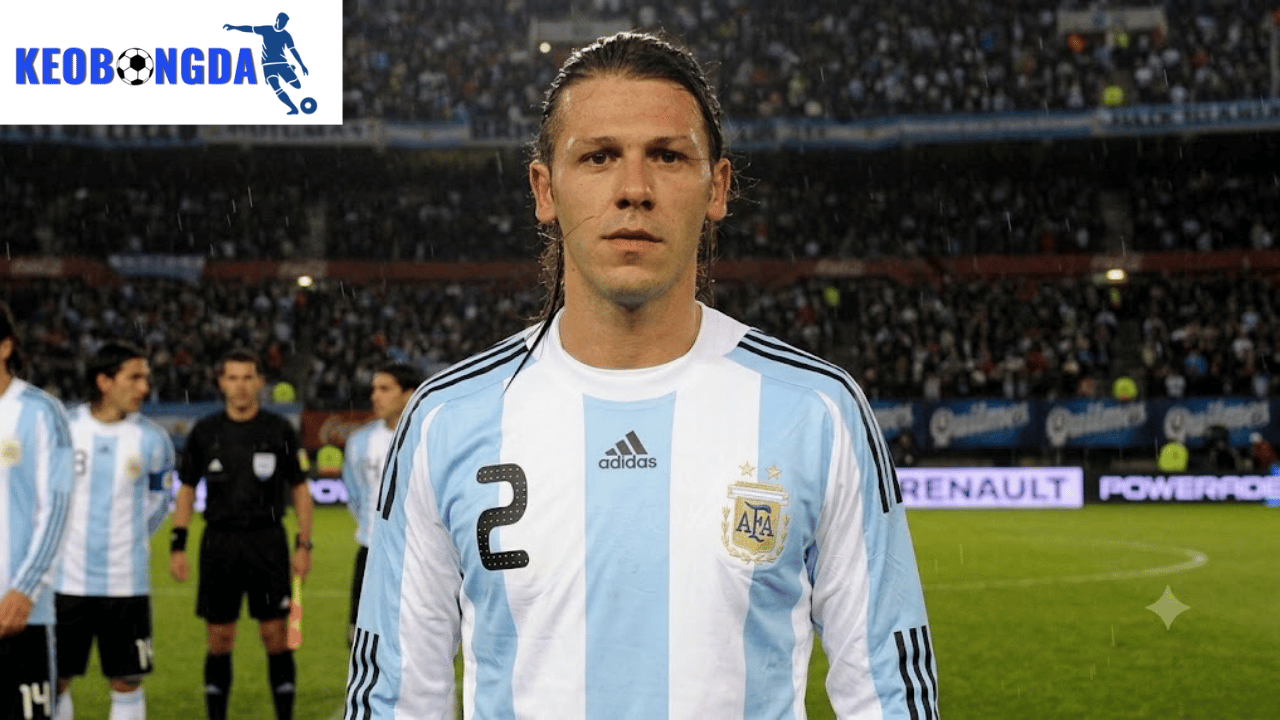
When Martin Demichelis moved to Germany, he entered a league known for its rigid discipline and physical demands. At Bayern Munich, he transformed from a promising South American talent into a localized legend, winning multiple Bundesliga titles and domestic cups. His partnership with other defensive stalwarts created a wall that few European teams could penetrate during his peak years. Notably, He consistently cut off incoming balls before they could become a threat, thanks to his keen tactical awareness., a trait that made him a favorite among the Bavarian faithful. For those who value technical precision, his distribution from the back was equally impressive, often starting counter-attacks with a single well-placed long ball.
In addition to his defensive duties, this athlete was known for his aerial prowess, often scoring crucial goals from set-pieces when his team needed a breakthrough. Another key aspect of his tenure in Germany was his mental resilience, as he frequently bounced back from high-profile errors to deliver masterclass performances in subsequent matches. The brand of leadership he displayed in the locker room helped mentor younger players who were just beginning their journey in professional football. For those who followed the German league closely, his presence was a guarantee of tactical sophistication. He was not just a defender; he was an organizer who understood the rhythm of the match better than most.
Strategic Adaptations Under Manuel Pellegrini
The relationship between this player and manager Manuel Pellegrini is one of the most storied partnerships in modern football. After their time together at River Plate and Malaga, the manager brought Martin Demichelis to Manchester City to provide veteran stability to a star-studded squad. While some critics questioned his pace in the twilight of his career, his intelligence proved that timing often triumphs over speed. He played a pivotal role in Manchester City’s Premier League title charge, proving that experience is an invaluable commodity in the fastest league in the world. Notably, his performance in the latter half of the 2013-2014 season was a testament to his enduring quality and professional dedication.
Beyond that, his stint in the Premier League showcased his ability to adapt to a different style of officiating and a much more direct approach from opposing forwards. A significant portion of the tactical instructions he received involved managing the space behind a high defensive line, a task he performed with remarkable composure. For those who analyze defensive metrics, his tackle success rate and clearance numbers remained high even as he entered his mid-thirties. This period of his career served as a masterclass in how an aging athlete can remain relevant at the highest level through sheer force of intellect and positioning.
Reshaping the DNA of La Albiceleste
Representing the Albiceleste is the ultimate dream for any Argentinian footballer, and this defender achieved it with distinction across multiple World Cup cycles. His presence in the 2010 and 2014 tournaments provided a sense of security to a team often criticized for being top-heavy with attacking talent. Notably, in the 2014 World Cup in Brazil, he was brought into the starting lineup during the knockout stages to solidify a defense that eventually reached the final. His calm demeanor under the immense pressure of a global tournament was a key factor in Argentina’s defensive solidity during that run.
In addition, his international career was defined by his loyalty and his willingness to sacrifice personal glory for the benefit of the collective unit. For those who remember the tension of those matches, his ability to organize the back four against the likes of Belgium and the Netherlands was a highlight of the tournament. One thing very few actually pay attention to is how his communication skills helped bridge the gap between the midfield and the defense during high-pressure transitions. His international legacy is one of a reliable soldier who never shied away from the responsibility of wearing the national colors.
Transitioning into Modern Coaching Roles
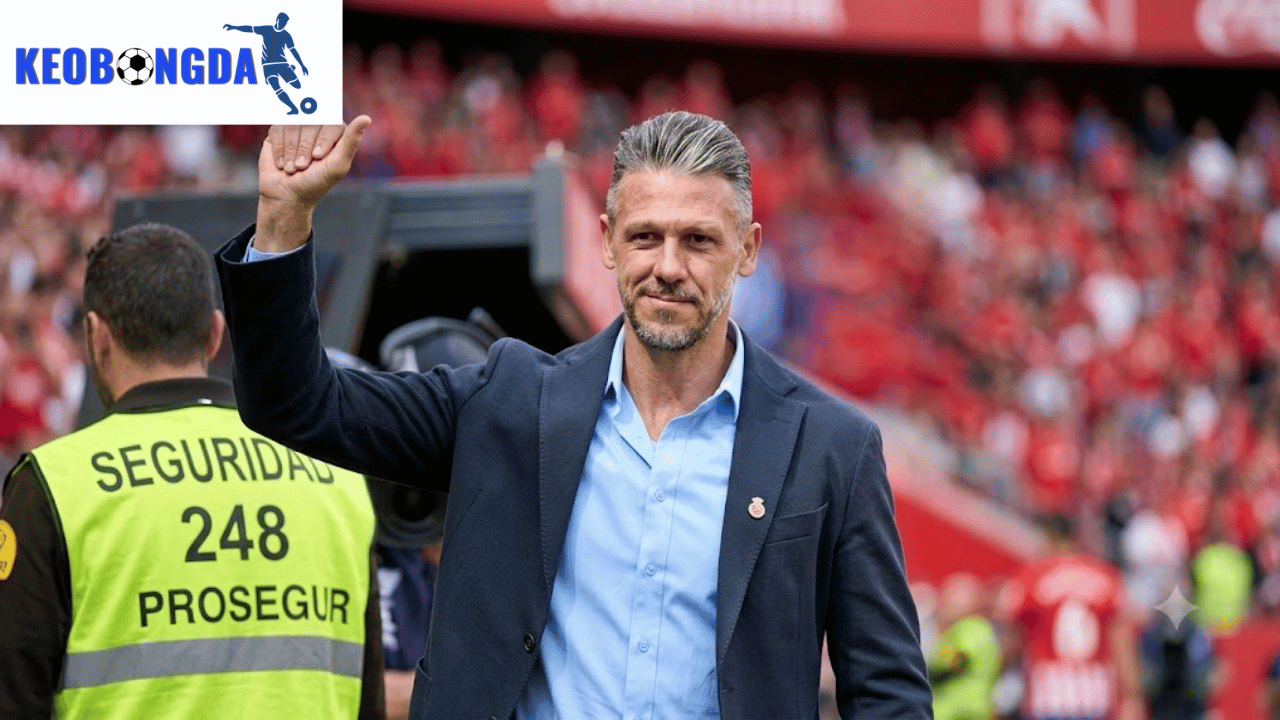
After hanging up his boots, the natural progression for someone with such a deep understanding of the game was to enter the world of coaching. He returned to his roots at Bayern Munich to work with the youth academy, sharing the wisdom he gained from decades of top-flight competition. Eventually, he took the prestigious role of head coach at River Plate, the club where it all began, succeeding the legendary Marcelo Gallardo. This transition highlighted his ambition to not only play the game but to shape its future through the next generation of players.
Another key aspect of his coaching philosophy is the emphasis on ball retention and proactive defending, mirrors of his own playing style. For those who follow South American football, his tactical tweaks have already begun to yield results, showing that he can translate complex ideas into actionable instructions for his squad. A significant portion of his success as a manager stems from the respect he commands in the dressing room, having lived through the same challenges his players now face. His journey from the pitch to the touchline represents a complete circle in a storied footballing life.
The Enduring Impact of Martin Demichelis on Tactical Theory
The legacy of Martin Demichelis is not just found in the trophy cabinets of Munich or Manchester, but in the way modern defenders are taught to play. He was a pioneer of the ball-playing center-back role, a position that has now become a standard requirement for elite teams. By prioritizing intelligence over physical confrontation, he extended his career and influenced a generation of players who saw that a defender could be as skillful as a playmaker. Notably, his career path serves as a blueprint for longevity in a sport that is increasingly demanding on the human body.
In addition, the way he managed his public image and professional relationships speaks to a level of character that is often missing in the modern era. For those who value the history of the sport, he remains a symbol of an era where South American flair met European discipline. Beyond that, his contributions to the tactical evolution of the game continue to be studied by aspiring coaches and analysts alike. He proved that football is as much a mental game as it is a physical one, and his career is a testament to that enduring truth.
When we look back at the career of Martin Demichelis, we see a man who mastered the art of the defensive craft across three different decades and multiple continents. His ability to maintain a high level of performance while adapting to different cultures and systems is a feat few can replicate. For those who are looking to engage with the modern game through a more analytical lens, his history provides the perfect case study in professional excellence.
Conclusion
Whether you are checking the kèo nhà cái for the latest match or simply reflecting on the greats of the past, his name will always be synonymous with tactical brilliance and defensive reliability. Dive deep into these chronicles of sporting greatness to gain a fresh perspective on the pitch. Secure your place among fellow enthusiasts who dissect every tactical shift made by the game’s elite. Complete your enrollment to get the most recent updates on top-tier players and managerial strategies.